Men’s Sexual Health After 40: Why Things Change and What You Can Do About It in Savannah, GA
Turning 40 can bring plenty of positive changes. More confidence. More experience. A better understanding of what you want.
But for many men, it can also bring changes they were not necessarily expecting in the bedroom.
Maybe erections are not as firm as they once were. Maybe it takes longer to become aroused. Your sex drive may feel different. Stamina may have changed. Or perhaps everything technically still "works," but your sexual performance simply does not feel the same as it did five or ten years ago.
If this sounds familiar, you are far from alone.
Sexual function can change as men get older, but that does not mean you should automatically write those changes off as normal aging. Erectile dysfunction and changes in sexual health can be influenced by circulation, hormones, medications, stress, sleep, metabolic health, cardiovascular health and several other factors.
For men in Savannah, GA who are noticing changes in their sexual wellness, the first step is understanding why those changes are happening and what options may be available.
Does Men’s Sexual Health Really Decline After 40?
Certain age-related changes are common.
Testosterone levels generally begin gradually declining as men get older. Mayo Clinic notes that testosterone levels may fall about 1% per year after approximately age 40, although having lower testosterone with age does not automatically mean a man has clinically low testosterone or needs testosterone therapy.
Men may also notice that erections take longer to develop, require more stimulation or feel less firm than they did at a younger age.
However, persistent erectile dysfunction is not something you simply have to accept because you turned 40.
In fact, sexual changes can sometimes give healthcare providers important clues about what is happening elsewhere in the body.
What Causes Erectile Changes After 40?
There is rarely one universal answer.
An erection depends on several systems working together, including your blood vessels, nerves, hormones, brain and emotional health.
Potential contributors can include:
- Reduced blood flow
- High blood pressure
- High cholesterol
- Diabetes
- Weight changes
- Low testosterone
- Certain prescription medications
- Smoking
- Excessive alcohol use
- Poor sleep
- Chronic stress
- Anxiety or performance anxiety
- Relationship concerns
- Prostate treatments or surgery
- Neurological conditions
This is why treating men's sexual health should involve more than simply choosing the newest treatment available.
The goal should be figuring out what is affecting you first.

Could Erectile Dysfunction Be Related to Heart Health?
Sometimes.
The same circulation problems that affect blood flow throughout the body can also affect blood flow necessary for erections.
Persistent erectile dysfunction may even be an early warning sign of cardiovascular disease in some men. Mayo Clinic notes that ED can precede cardiovascular events by several years in certain patients, which is another reason ongoing erectile changes deserve a medical conversation rather than embarrassment or avoidance.
If something suddenly changes, tell your healthcare provider. Your sex life may be giving you information about your overall health.
What Can Men Over 40 Do to Improve Their Sexual Health?
The right approach depends on what is actually contributing to the problem.
1. Start With a Men's Health Evaluation
Before jumping straight into treatment, talk honestly about what you are experiencing.
Are you dealing with:
- Lower sexual desire?
- Difficulty getting an erection?
- Difficulty maintaining an erection?
- Reduced sensation?
- Changes in orgasm?
- Lower energy?
- Reduced confidence or performance anxiety?
Those details matter because decreased libido and erectile dysfunction are not necessarily the same problem. A personalized evaluation can also help determine whether additional laboratory testing or evaluation by a urologist, primary care physician, endocrinologist or another specialist is appropriate.
2. Check Your Hormones When Appropriate
Low testosterone can contribute to decreased sexual desire and erectile changes in some men, but symptoms alone cannot diagnose low testosterone. Testing can help determine whether testosterone is actually low and whether additional evaluation is needed. Testosterone therapy should be based on appropriate medical evaluation, not simply age or assumptions about symptoms.
3. Pay Attention to Your Cardiovascular Health
Better circulation supports more than your heart. Regular exercise, maintaining a healthy weight, controlling blood pressure and cholesterol, managing diabetes and avoiding tobacco can all be important components of men's sexual health.
Think of sexual wellness as part of your overall wellness, rather than an isolated issue.
4. Do Not Ignore Sleep and Stress
Sexual health is physical, but it is also neurological and psychological. Chronic stress, anxiety, depression, fatigue, relationship difficulties and poor sleep can contribute to sexual dysfunction or make an existing physical issue worse. Sometimes improving sexual wellness requires addressing several factors at once.
5. Discuss Medical and Sexual Wellness Treatment Options
Depending on your health, symptoms and goals, there may be several options available.
That can include conventional erectile dysfunction treatments, addressing an underlying health condition, evaluating hormone deficiencies when appropriate and discussing newer regenerative approaches.
One option many men have started asking about is the P-Shot.
What Is the P-Shot?
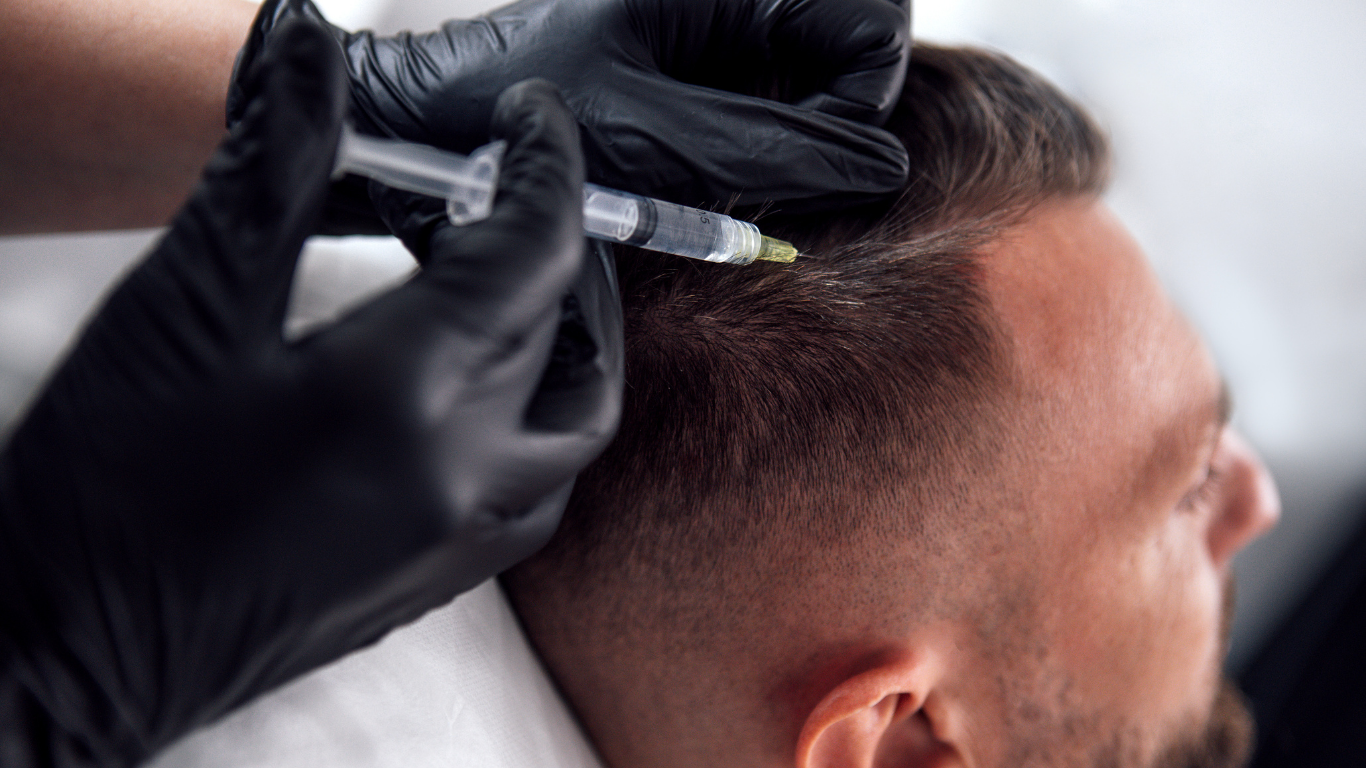
The P-Shot, or Priapus Shot, is a platelet-rich plasma or PRP procedure.
PRP begins with a sample of your own blood. The blood is processed to concentrate platelets and plasma, and the resulting platelet-rich plasma is injected into targeted areas of the penis.
The concept behind PRP therapy is that platelets contain growth factors involved in the body's natural healing processes.
Because of this, PRP has generated interest as a potential regenerative approach for men's sexual wellness and erectile dysfunction.
Can the P-Shot Help Erectile Dysfunction?
This is where responsible expectations matter.
Early research into PRP for erectile dysfunction has been promising enough to generate continued interest, but research remains limited.
The Sexual Medicine Society of North America currently describes PRP/P-Shot therapy for erectile dysfunction as experimental and states that there is not yet enough evidence to recommend it as an established medical treatment for ED.
That does not mean you cannot ask about it.
It means you deserve an honest conversation about:
- What the P-Shot involves
- Why you are considering it
- Your medical and sexual health history
- What current evidence does and does not show
- Potential risks and limitations
- Whether another approach may be more appropriate
At Dr. Teki's Savannah practice, the goal is not to automatically put every patient into the same treatment.
It is to determine what makes sense for you.
Who Should Consider a Men's Sexual Wellness Consultation?
You do not have to wait until sexual changes become severe before asking for help. Consider scheduling a consultation if you have noticed persistent changes in:
Erection quality: Erections feel less firm or are more difficult to maintain.
Libido: Your interest in sex has noticeably decreased.
Performance: Sexual activity feels different than it used to.
Sensation: You have noticed changes in sensitivity or sexual response.
Confidence: Concerns about sexual performance are beginning to affect intimacy or relationships.
Overall wellness: Sexual changes are occurring alongside fatigue, weight changes, decreased energy or other new symptoms.
And if erectile problems appear suddenly or are accompanied by other concerning symptoms, medical evaluation should take priority.

Frequently Asked Questions About Men's Sexual Health After 40
Is erectile dysfunction normal after 40?
The risk of erectile dysfunction increases with age, but persistent ED should not automatically be dismissed as "just getting older." Cardiovascular conditions, diabetes, medications, hormones, lifestyle factors and psychological health can all contribute.
Does testosterone decrease after 40?
Testosterone generally declines gradually with age, but not every man over 40 has low testosterone. Blood testing and clinical evaluation are needed to determine whether symptoms are associated with a true testosterone deficiency.
Can stress cause erectile dysfunction?
Yes. Stress, anxiety, depression and performance concerns can contribute to erectile problems or worsen an underlying physical issue.
What is the P-Shot used for?
The P-Shot is a PRP-based procedure being explored for men's sexual wellness and erectile dysfunction. Research is still developing, and it should not be presented as a guaranteed or established cure for ED.
Is the P-Shot right for every man?
No. Sexual health concerns can have many different causes. A consultation is important before deciding whether PRP or another treatment makes sense for your individual situation.
Where can I learn more about the P-Shot in Savannah, GA?
If you are interested in men's sexual wellness or want to learn whether the P-Shot in Savannah, Georgia may be worth considering, schedule a private consultation with Dr. Teki.
Men's Sexual Health Is Part of Your Overall Health
Changes in sexual performance can be difficult to talk about, but ignoring them does not make them disappear.
And you should not feel pressured into whichever treatment happens to be trending.
Your hormones, circulation, medical history, lifestyle, concerns and goals are unique to you. Your plan should be too.
Dr. Teki takes a personalized approach to men's wellness in Savannah, GA, helping patients explore their concerns and understand the options that may be appropriate for them.
If your sexual health has changed after 40, start with a conversation.
Schedule a confidential men's sexual wellness consultation with Dr. Teki in Savannah, GA today and find out what your next step could look like.